
Slideshow: Is My Dog Normal?

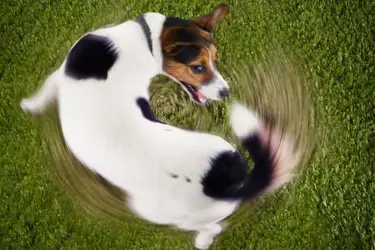
Tail-Chasing
When puppies chase their tails, it's like babies grabbing their toes. It's a way to explore their bodies. It's not usually a problem unless dogs do it all the time. See if you can distract your pup. If they would rather chase their tail than eat or go for a walk, it's a problem. You may need to talk to your vet about training or medication.

Crotch-Sniffing
Dogs like to sniff each other’s bottoms, but it's different when they nose up to someone's crotch! It's not bad manners, according to your dog. Dogs can get a lot of information about other dogs by sniffing around down there. They probably get the same info by sniffing people, too. If your dog’s nosiness bothers you -- or the people they sniff! -- obedience training may help.

Scooting
It’s common for dogs to scoot or drag their bottoms across the ground after doing their business -- especially if their stool is loose. But if a dog scoots a lot all day, see your vet. Scooting can mean impacted anal glands, which you should get your vet to treat. It could also come from having a tapeworm.

Humping
Watching your dog get personal with the new sofa may make you cringe, but it’s normal. For many dogs, humping feels good or relieves stress. It's more commonly done by male dogs, but females do it too, sometimes. It's OK to look the other way in most cases. But if they're humping people, they may be trying to show dominance. Call them off so they don't bother anyone, and talk to a trainer or vet for behavior tips.

Reverse Sneezing
Does your dog ever make a loud snorting noise that sounds like a reverse sneeze? It usually lasts about a minute, while your dog stiffens up, sticks their head out, and their eyes may bulge. It's usually caused by something harmless, like pulling too hard on the leash. Help them by massaging their throat or giving them something to lick. Covering their nose may make them swallow, which could stop the sneeze. Call your vet if it happens a lot.

Eating Grass
Your lawn may not look yummy to you, but your dog has other ideas. Dogs aren't just meat eaters. Sometimes they like a little greenery, too. Eating grass, sticks, and even dirt is normal -- as long as they don't do it a lot. If your dog binges on grass, it could mean stomach problems. If your dog eats a lot of dirt, it could be a medical problem (like anemia). Call your vet to check.

Eating Excrement
It’s surprisingly normal for dogs to eat poop. Long ago, before dogs were domesticated, they were scavengers. They ate whatever they could find. Their digestive systems work well, so they can get some nutrients out of it. Most people don’t want kisses from potty-mouthed dogs. Try to pick up the feces immediately so they don't even have access. If you catch your pooch in the act, offer a tastier food. You can also mention it to your vet for more advice.

Rolling in Garbage
If you see a decaying animal or a pile of garbage, you step around it. Your dog, though, wants to roll in it. The grosser the smell, the better it is to your dog. One theory is that dogs like to cover their own scent with icky odors to make it easier to surprise prey. You probably can’t change that, so try to spot smelly things first and steer your dog clear.

Drooling
If your dog salivates when you’re grilling steaks, that’s normal. But drooling too much, or for no good reason, could be a sign of a health problem. If your dog drools a lot and starts having behavioral problems, such as chewing or hiding, it also could be a sign of anxiety. Nausea or dental disease can also cause drooling. Consult your vet.

Herding
Some dogs will try to herd anything -- cats, ducks, even kids. They were bred to herd. They naturally want to move things around or collect things because it's what their genes are telling them to do. Even though herding can be normal, it still can be a problem. With training, dogs can learn to herd only when you want them to.

Noise Phobia
Some dogs are afraid of noises like thunderstorms or sirens. Seek professional help for those noise phobias. You can help your dog learn to relax by doing fun activities with them while listening to recordings of the noises that scare them. Talk to your vet for advice.

Paw-Licking
Dogs lick their paws to groom themselves. That's normal, as long as they don't overdo it. When dogs lick their paws too much, it's often because of an infection or skin allergy. Sometimes, it's a habit. Talk to your vet to find out the cause and how to treat it.

Glow-in-the-Dark Eyes
Dog eyes naturally glow in the dark, because they're different from human eyes. Dogs have a layer of eye tissue which reflects light back through the retina. This is one reason dogs have better night vision than people do.

Dreaming
Your dog is curled up in bed, eyes shut and paws twitching. Every now and then, they whine. They are probably dreaming. If you could see a dog’s brainwaves during sleep, they seem to have REM cycles. REM or rapid eye movement is the stage of sleep when people usually dream. So what do dogs dream about? That’s one secret our four-legged friends get to keep.