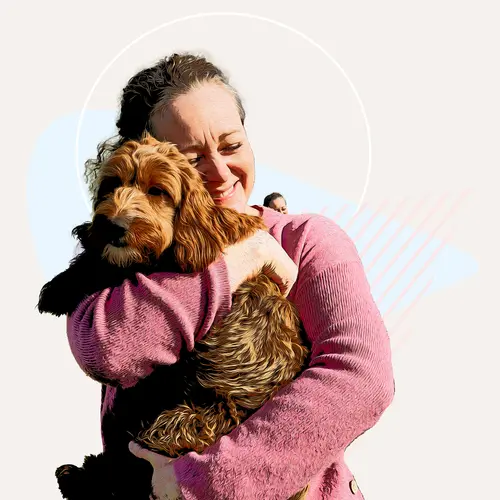

Dogs bring tons of love and joy to your life, but they depend on you to stay healthy. To keep your pet safe and sound for years to come, start with the basics.
Dog-Proof Your Home
Check that your home is safe for your pet -- ideally before you bring them home. For instance, secure any electrical cords they might chew on, keep toilet lids closed, and make sure they can’t get into any medication or household cleaners. Got a pool in your yard? If your pup can’t or hasn’t learned how to swim, think about getting a pool fence or a motion detector system that will go off if they fall into the water. Also, double-check that your pet can’t get to any human food, some of which is toxic for dogs. If they are especially curious, you might want to use child-proof latches to secure cabinets and trash cans.
Get on a Vaccination Schedule
Just like for people, vaccines are one of the surest ways to protect your pup’s health. They prevent serious, highly contagious diseases like parvo, distemper, and rabies, which can be fatal. The schedule and shots they need will vary, based on their health issues and where you live, so talk to your vet about what to get. In general, most puppies should get their first set of shots around 6 weeks, and then every 3 weeks until they are 16 weeks old. Adult dogs need to be revaccinated every 1 to 3 years.
Choose the Right Food
Your dog’s age, weight, health, and activity level matter when it comes to what they eat. In general, make sure the food you choose has a statement from the Association of American Feed Control Officials on the label. That means it’s nutritionally “complete and balanced.” Beware of feeding your dog bones, raw meat, or raw eggs. The American Veterinary Medical Association, the CDC, and other groups warn that raw foods can lead to serious health problems for animals, like infection with E. coli and other harmful bacteria. Bones can tear a dog’s stomach or intestines.
Spay or Neuter Your Pet
Millions of homeless dogs enter shelters each year, and many are killed. You can help prevent overpopulation by having your dogs spayed or neutered, minor surgeries that keep them from having puppies. Plus, your pet can even benefit from these procedures -- spayed females have lower odds of getting breast cancer and uterine infections later in life, and neutered males have a lower risk of prostate disease and testicular cancer. The procedures are generally safe, but you can talk to your vet about any risks for your pup.
Get Moving
Dogs need exercise, the same as humans do. It keeps them at a healthy weight, and it gives them an outlet for their physical and mental energy. That can help you control bad habits like digging, barking, and chewing, which dogs tend to do when they’re bored. The best bet for exercise? Dogs want to interact with humans, so choose activities you can do together, like playing fetch, walking, hiking, or swimming. (Bonus: It gets you moving, too.)
Brush Your Dog’s Teeth
Aim to clean their teeth every day or as much as possible. It keeps their breath fresh and helps prevent gum disease, which is linked to other health problems such as heart or liver disease. Ask your vet about the best dog toothpaste and toothbrushes to use. Also, watch for any signs of dental disease, such as bleeding, discolored teeth, or really bad breath. Of course, your vet should also check your dog’s mouth during annual visits.
Keep Your Pet Cool -- and Warm
When the weather gets hot or cold, your dog needs extra help to stay safe and comfortable. When the summer heat is on, walk your dog in the shade or on the grass to keep hot pavement from burning their paws. Always make sure they have plenty of water and access to shade. If they don’t have a lot of fur or has any bald patches, ask your vet about a sunscreen you can apply. Also, never leave your dog in a car during the warmer months: The temperature in a vehicle can rise 20 degrees in only 10 minutes. The longer they’re trapped in there, the hotter it gets. Even if it’s just 80 degrees outside, it can reach a sweltering 114 degrees in the car after 30 minutes.
To protect your dog from low winter temps, your best bet is to keep them indoors as much as possible. For walks, consider getting a sweater and even booties to keep them warm, especially if they have a short coat. Also, be careful around antifreeze -- even a small bit can poison a dog. So clean up any spills, don’t let them eat snow, and wipe their paws whenever they come inside.
Prevent Parasites
Talk to your vet about the best flea, tick, heartworm, and other parasite prevention medications. These critters can irritate dogs and cause serious health issues. Heartworms can lead to heart failure and lung disease, fleas can lead to anemia, and ticks can cause illnesses such as Lyme disease.
Prepare for Poisoning
If your dog swallows something that can harm them, call your nearest poison control center or the ASPCA Animal Poison Control Center (888-426-4435), and get to the vet or emergency vet clinic right away. Don’t take a chance -- even a small amount of chocolate can be toxic to a dog, while one ibuprofen can lead to kidney failure.
Watch for Warning Signs
Dogs can’t tell you when they don’t feel well, so keep your eyes open for signs that something is off. Contact the vet if you notice warning signs of a health problem, such as:
- Changes in their poop or pee
- Any change in eating habits
- Vomiting
- Discharge from the eyes, nose, or other places on the body
- Bald patches
- Very bad smells from any body part
- A lot of licking or biting a spot on their body
- Coughing
- Weight loss
Also, watch out for odd behaviors -- if your dog suddenly seems very aggressive or sleepy, it could be a sign of a health problem.