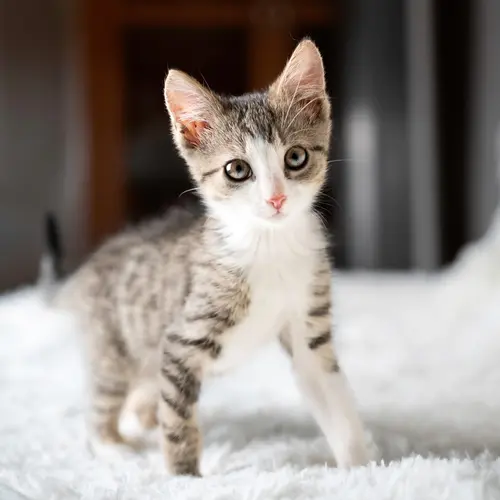

When Randy Frostig took his cat, Bill, to the veterinarian six years ago, he was seriously worried. “He was lethargic and he wasn’t eating, and his urine was sticking to his paws,” Frostig recalls.
The diagnosis -- diabetes -- surprised Frostig. “I didn’t even know that a cat could have diabetes. I didn’t know what it meant,” he says. He was concerned about having to give his cat regular shots of insulin, and how the disease might affect his pet’s life.
In reality, a diagnosis of feline diabetes is not a death sentence, and caring for a cat with the disease is far easier than Frostig had envisioned.
“Giving him insulin is like brushing your teeth. It’s no big deal,” he says. Thanks to regular doses of insulin and a special diet, the gray tabby started acting more like their old self. “He was running around, and he gained his appetite again.”
Why Do Cats Get Diabetes?
Cats aren’t so different from people when it comes to diabetes.
The disease affects insulin -- a hormone that helps the body move sugar (glucose) from the bloodstream into the cells. Feline diabetes tends to more closely resemble type 2 diabetes in humans, in which the body makes insulin but becomes less sensitive to the hormone. Sugar builds up in the bloodstream, leading to symptoms like increased urination and thirst. If it’s left untreated, eventually diabetes can lead to life-threatening complications.
Although the exact cause of feline diabetes isn’t known, it’s more likely to affect overweight cats, because obesity makes the cat’s body less sensitive to the effects of insulin. Diabetes is also more common in older cats.
Diseases like chronic pancreatitis and hyperthyroidism, as well as medications such as corticosteroids, may also make cats more prone to develop diabetes.
Will I Need to Start a Special Diet for a Diabetic Cat?
Cats are, by nature, meat eaters. Because they’ve evolved from the hunt to the food bowl, it’s now their owners’ job to ensure that their diet includes a lot of protein.
Also, cats’ bodies aren’t as good as people’s at breaking down carbohydrates, says Richard W. Nelson, DVM, DACVIM, professor of internal medicine at the University of California, Davis, School of Veterinary Medicine.
This is especially true for diabetic cats. “The ideal diet for a diabetic cat is one that has increased protein and decreased carbohydrate content,” Nelson says.
Most canned cat foods are already high in protein and low in carbs. But many dry cat foods are made with starch, which makes them higher in carbohydrates. Your vet may suggest that you switch to a specially formulated cat food or an all canned-food diet.
As you watch the type of food you give your cat, you’ll also need to keep an eye on their weight.
Although the tendency in feline diabetes is for cats to be overweight, some cats may actually be underweight if their diabetes went undiagnosed for a long time. “At diagnosis, some cats need to put on some pounds, some need to lose some pounds, and some need to stay right where they are,” says Thomas Schermerhorn, VMD, Dipl. ACVIM (SAIM), associate professor of Small Animal Medicine at Kansas State University.
If your cat is overweight, your goal should be to help him lose weight gradually. A special diabetic diet will help your cat trim down, and it can actually make the diabetes easier to manage. Losing weight helps the cat's body use insulin, which lowers blood sugar.
Every cat is unique, and the same diet won’t necessarily work for all cats. The diet for your diabetic cat depends on the cat’s health and weight, the severity of their diabetes and their personal taste. Your veterinarian can guide you in choosing the right nutritional plan.
When Should I Feed My Diabetic Cat?
You might have become used to leaving out the food bowl for your cat to graze whenever they please, but you may need to change that routine once your cat has been diagnosed with diabetes.
“It’s very important that you coordinate your meals with the insulin dosing,” says Kathryn Michel, DVM, associate professor of Nutrition at the University of Pennsylvania School of Veterinary Medicine. “You need to have their meals timed with their insulin, so they’re absorbing those calories when the peak insulin is occurring so they don’t become hypoglycemic [have low blood sugar].”
Typically you’ll feed your cat twice a day, administering a dose of insulin right after those feedings. Frostig feeds his cat half a can of high-protein, low-carb cat food in the morning and half a can at night, following each portion with a shot of insulin.
Your regimen may be slightly different, but regardless of when you feed your cat, it’s important that they eat. Without food in their stomach, they may have to skip an insulin dose, which could be dangerous to their health.
If your cat hates the new high-protein food your vet has chosen or balks at eating twice a day instead of grazing, it’s better to go back to your old dietary routine for a while to make sure that your cat is eating.
Do I Need to Monitor My Diabetic Cat’s Health?
Because feline diabetes can have some serious complications, it is very important that you keep track of your cat’s health.
Check their blood sugar levels, either at home or by regularly taking them to the vet. Watch their appetite, weight, and food and water consumption.
Also check the litter box to make sure they are urinating the same amount. Call your veterinarian about any changes in their normal routine.
Can Diet Improve My Cat’s Diabetes?
If you're careful about diet and insulin therapy, you may notice that you can start lowering your cat’s insulin dose.
In some cats, diabetes will even go into remission. But that doesn’t mean the cat is cured.
“I tell the owners that they should still think of their cat as having diabetes -- it’s just controlled,” Schermerhorn says. Sometimes cats that have gone into remission will experience flare-ups and will still need to take insulin once in a while to control their diabetes. Owners need to be committed to caring for their diabetic cat for life, he says.
Frostig has kept his cat on a strict regimen of diet and insulin shots, and now it’s hard to tell that Bill is anything but a normal, healthy cat -- or that he is 15 years old. “He’s still running around the house like he’s young,” Frostig says. “I have to remember sometimes that he has diabetes.”