
Cats are good at self-maintenance. But even your fastidious feline can't prevent some of these more common cat diseases and health issues.
1. Vomiting
Vomiting is a very common problem with cats with a multitude of causes. They range from eating something poisonous or inedible (like string), to infection, urinary tract disease, or diabetes to hairballs.
Symptoms are usually obvious and include drooling and abdominal heaving. Vomiting can quickly leave your cat dehydrated, so if your cat continues vomiting or acts ill, call your vet right away. It may help to collect a sample of your cat's vomit and take it with you to the vet.
Since there are so many possible causes of vomiting in cats, you can't prevent them all. But there are some things you can do to make some of the most common ones less likely:
Treat your cat for fleas.Fleas can cause intestinal parasites like tapeworms that in turn, can cause vomiting.
Feed the right foods. It’s best to stick with foods designed just for the nutritional needs of cats. Foods such as dairy products and raw or undercooked meats can make your cat sick.
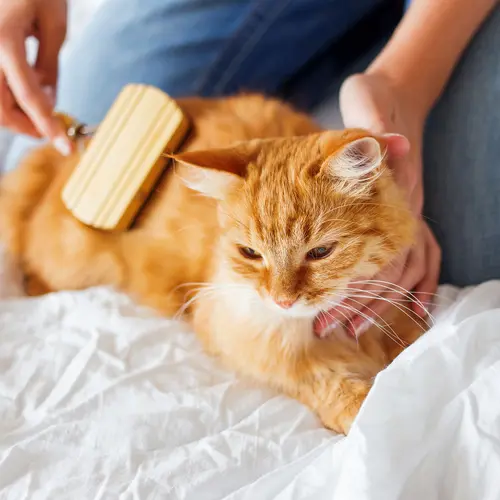
Head off hairballs. To get rid of extra hair before your cat has a chance to swallow it, treat them to regular grooming sessions with a brush and comb. You can also try a laxative product formulated for hairballs: A dot placed on their paw once a week or so will help to lubricate their digestive tract.
Keep non-edible items out of reach. Watch out for and pick up things that might be tempting for your kitty to chew that if swallowed, could trigger vomiting, like rubber bands or thread. Keep things like poisonous houseplants and human medications away from your cat.
2. Feline Lower Urinary Tract Diseases (FLUTD)
Some estimates say as many as 3% of cats seen by vets have feline lower urinary tract disease (FLUTD), which is a group of feline diseases with multiple causes.
Female and male cats can get FLUTD, and it often occurs in cats that are overweight or unfit or who eat dry food. Stress, a multi-cat household, and sudden changes can all raise a cat's risk of FLUTD, and treatment depends on the type of FLUTD your cat has. FLUTD symptoms include:
- Drinking more
- Straining to urinate
- Urinating more frequently
- Bloody urine
- Urinating in unusual places
- Crying when urinating
- Licking around the urinary area (often because of pain)
- Depression
- Dehydration
- Lack of appetite
- Vomiting
It's always an emergency if your cat can't urinate. Call your vet immediately if you suspect your cat has a urinary tract problem.
To lessen your cat's chances of FLUTD:
- Have clean, fresh water available at all times.
- Talk to your vet about the best diet for your cat. They may suggest a special diet or recommend that you give your cat canned food.
- Give your cat frequent, small meals.
- Reduce sources of stress. Try not to make any major changes in your cat's routine.
- Make sure your cat has access to a large, clean litter box in a quiet part of the house.
Read more about cat urinary tract problems.
3. Fleas
Fleas are a very common external feline health problem. But it's one you can easily prevent and treat. Signs your cat has fleas include:
- Flea dirt on its skin (it looks like tiny black dots)
- Constant scratching
- Frequent licking
- Red or irritated skin
- Hair loss
- Skin infections or hot spots
Fleas can live for more than a year (although they typically don't) and your cat risks anemia if the problem becomes serious, so be sure to treat your cat's flea problem and prevent future infestations.
Talk to your vet about which flea control would be best for your cat. Treatments include topical medication and flea collars.
Remember that flea medications only kill fleas that come in contact with your cat. To prevent fleas,
- Keep your cat inside.
- Vacuum your floors, rugs and carpets, baseboards, and upholstered furniture daily.
- Wash your cat’s bedding in hot, soapy water once a week.
Read more about treating and preventing fleas in cats.
4. Tapeworms
Tapeworms are one of the most common feline health problems. These parasites live in your cat's small intestine and can grow to be as long as 2 feet. They're made up of segments called proglottids and usually break apart when your cat passes them. It's very unlikely to see a full worm. You'll usually just see the segments.
Symptoms of a tapeworm infection can be hard to see but may include vomiting and weight loss. The easiest way to tell if your cat has tapeworms is to look at its poop, around its anus, and where it sleeps. Usually tapeworms come out of your cat's anus while it is sleeping or relaxed. If you see tiny white worms or what look like grains of rice or sesame seeds, your cat likely has tapeworms.
If your cat is heavily infected, you may see other tapeworm symptoms such as:
- Irritation in the anus area
- Weight loss
- Vomiting and diarrhea
- Anemia (blood loss)
- Dehydration
- Inability to thrive
How Do Cats Get Tapeworms?
When they clean themselves, cats can ingest fleas that are infected with tapeworm larvae. The larvae develop into adult tapeworms inside the cats’ intestines.
Cats that are older than 6 months are more likely to get tapeworm infections. Kittens can get tapeworm infections if they have fleas.
Can Humans Get Cat Tapeworms?
It is possible for humans to get tapeworm infections from cats, although it is rare. In order to get a tapeworm infection, you'd need to swallow a flea that has the tapeworm larvae.
It's more common for children to get tapeworm infections. You’ll see the proglottids in the child’s stool or in and around their anus. Teach your children to wash their hands after playing with your cat. Don't let your kids play in areas where there may be cat poop.
Talk with your doctor if you think your child has tapeworms. Your doctor will examine your child and provide the best treatment options.
What Is the Treatment for Tapeworm in Cats?
You'll need to treat your adult cat with a deworming product every 1 to 3 months. Speak to your vet about getting the right kind of dewormer for your cats. You can find many deworming products in supermarkets and pet stores, but they may not all be safe for your cat or effective for the type of worms that your cat has.
Your cat will usually be given a drug called praziquantel in topical or pill form or as a shot. Praziquantel is a tapeworm dewormer for cats. The drug helps to dissolve the tapeworms in the intestines.
How Do You Prevent Tapeworm in Cats?
Your cat can easily get reinfected with tapeworms. There are some things you can do regularly to keep tapeworm infections at bay:
Control the carriers. Get rid of fleas, as well as mice and other rodents, which can carry tapeworm larvae that can transfer to your pet. Keep your cat on a regular flea preventative.
Deworm regularly. Deworm your cat regularly to prevent reinfection.
Dispose of cat waste daily. Scoop your litterbox often and throw the poop and urine clumps away in a plastic trash bag. Clean and wash the litterbox regularly using hot water and soap or a pet-friendly disinfectant.
5. Diarrhea
When your cat has diarrhea, they'll have to poop more frequently than usual, and their poop will be soft, runny, or even watery. It may be yellowish or grayish in color and smell especially bad. Diarrhea usually clears up fairly quickly. If it goes on longer than a day or so, it may be a sign of a serious problem.
Many things can cause diarrhea in cats, including a change in diet, stress, intestinal parasites, allergies, infections, liver or kidney disease, cancer, and more.
If your cat has diarrhea, offer them plenty of fresh, clean water so they don't get dehydrated. Then take their food away for no more than 12 hours. If they still have diarrhea after a day, take them to the vet. Take them right away if they
- Won’t eat
- Are straining to poop
- Are vomiting
- Pass dark or bloody stools
- Have a fever
- Are sluggish
6. Eye Problems
A few symptoms that may mean your cat has eye problems include:
- Watery eyes
- Buildup of discharge in the corners of the eye
- Tear stains on the fur around the eyes
- Cloudy eyes
- Red or white eyelid linings
- Excessive squinting
- Pawing at the eye
- Visible third eyelid
Eye problems in cats can be caused by a number of things, including:
- Trauma
- Viruses
- Inflammation
- Conjunctivitis (pinkeye)
- Corneal ulcers
- Cataracts
- Glaucoma
- Retinal disease
You can keep your cat's eyes clean by wiping your cat's eyes gently with a cotton ball dampened in warm water. If you notice signs of eye problems in your cat, make an appointment with your vet.
Read more about cat eye problems and discharge.